
Common Adhesive Failures in Footwear Manufacturing — And How to Prevent Them
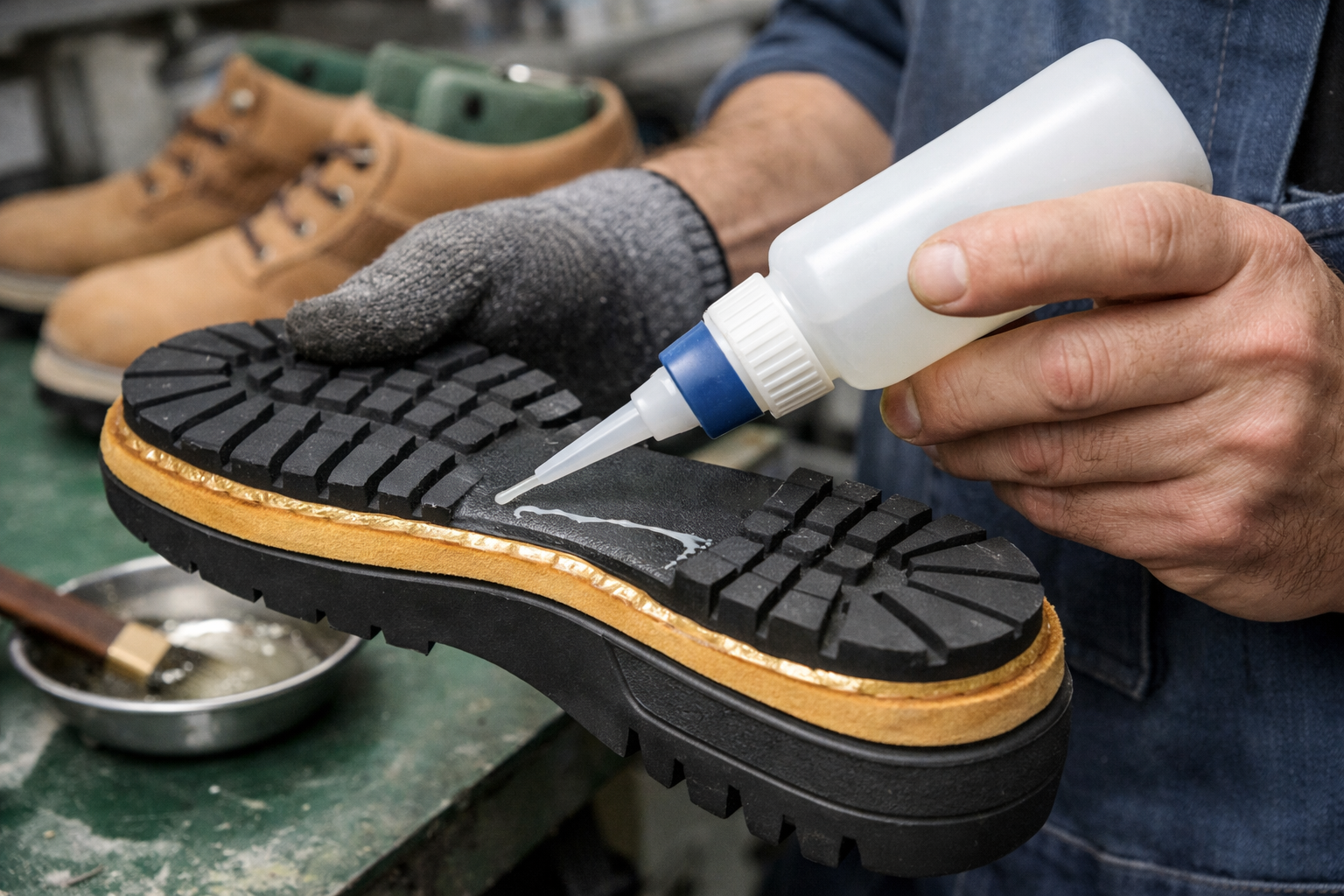
Adhesive bonding plays a crucial role in footwear manufacturing, but failures such as poor bonding, weak adhesion, and material incompatibility can cause product defects. This article explains the most common adhesive failures in shoe manufacturing and practical solutions using high-strength industrial adhesives like cyanoacrylate and instant adhesives.
Footwear manufacturers rely heavily on industrial adhesives to bond materials like rubber, leather, plastic, and metal. However, adhesive failures can lead to reduced durability, product returns, and increased production costs. From improper surface preparation to incorrect adhesive selection, several factors can weaken bonding performance. Understanding these issues allows manufacturers to improve production efficiency and product quality. In this guide, we explore the most common adhesive failures in footwear manufacturing and how selecting the right cyanoacrylate adhesive, instant adhesive, or heavy-duty industrial bonding glue can prevent them.
"Strong products begin with strong bonds — the right adhesive is the foundation of reliable manufacturing.”"
Teraxo
Why Adhesive Bonding Is Essential in Footwear Manufacturing
Modern footwear production combines multiple materials such as rubber, leather, plastics, textiles, and metals. Mechanical fastening alone cannot provide the flexibility and durability required for these combinations. This is why manufacturers use high-strength industrial adhesives like cyanoacrylate adhesive and fast-curing instant adhesive to ensure strong and long-lasting bonds in footwear components. Common footwear bonding applications include: Rubber sole attachment, Leather upper bonding, Plastic trims and accessories, Metal eyelets and decorative parts, Structural reinforcement points, Using a specialized footwear adhesive improves durability, production efficiency, and product quality.
Common Causes of Adhesive Failure in Footwear Manufacturing
- 1. Poor Surface Preparation
- 2. Using the Wrong Adhesive Type
- 3. Incorrect Adhesive Application
- 4. Environmental Conditions
- 5. Material Compatibility Issues
- 6. Inconsistent Adhesive Quality